


Guide to Bronze Horse Sculptures: History, Styles, and Buying Tips
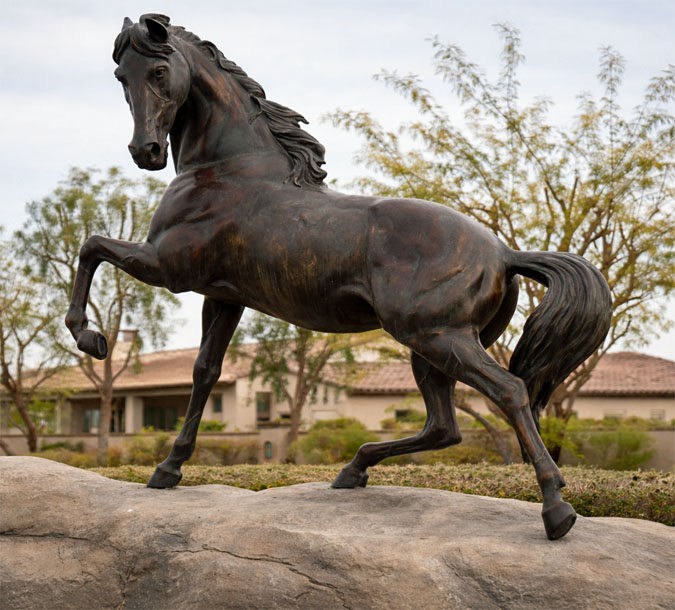
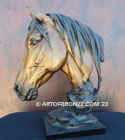
Few subjects in art endure like the horse, symbolizing power, grace, and freedom across cultures. Bronze horse sculptures blend this enduring appeal with the metal’s enduring durability and lustrous patina.
Knowing the history, styles, and how to buy bronze horse sculptures helps collectors make educated decisions.
A Brief History of Bronze Horse Sculptures
The tradition of depicting horses in bronze dates back to early civilizations. The Greeks and Romans created life-sized bronze horses, though many were later melted down for their metal for weaponry. Surviving pieces, like fragments from the Parthenon, reveal masterful motion capture.
During the Renaissance, artists rediscovered ancient techniques and began creating bronze horse sculptures that rivaled those of the ancients. Donatello’s Gattamelata (1453) in Padua and Verrocchio’s Colleoni (1490) in Venice are two famous examples of equestrian statues that celebrate military leaders atop powerful horses, or, more commonly, condottieri on rearing steeds.
The 19th century underwent a surge in popularity for bronze animal sculptures, particularly in France. Artists like Antoine-Louis Barye specialized in “animalier” (animal) sculpture, creating dynamic bronzes of horses in motion. This tradition continued into the 20th century, with artists such as Rembrandt Bugatti and Anna Hyatt Huntington.
Styles of Bronze Horse Sculptures
Classical and Equestrian
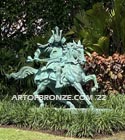
Classical horse sculptures feature horses in formal poses, often with riders portrayed as authoritative figures. These sculptures emphasize dignity, power, and control, making them suited for traditional settings and formal gardens. In contrast, equestrian sculptures specifically highlight the relationship between horses and riders, focusing on leadership and majesty.
Sporting and Racing
Sporting and racing sculptures capture horses in motion, often at a full gallop. These pieces emphasize speed and physical vigor, with highly detailed features such as tensed muscles, flying manes, and airborne hooves. Unlike classical styles, these works appeal to those who value energetic energy and the rush of movement.
Western and Cowboy
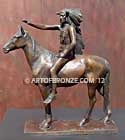
Western and cowboy sculptures depict horses with riders engaged in ranching, herding, or rodeo scenes. These works reflect the rugged spirit and partnership of the American frontier, differing from European classical equestrian pieces by emphasizing daily life and adventure in the American West.
Abstract and Modern
Abstract and modern horse sculptures interpret the horse in simplified or exaggerated forms. Instead of detailed anatomy, these sculptures focus on bold lines and expressive shapes, making them distinct from traditional realistic styles and interesting to those who prefer innovative, contemporary art.
Wild and Untamed
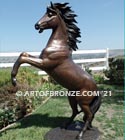
Wild and untamed sculptures depict horses without saddles or riders, often in energetic, free-spirited poses. These pieces emphasize the uninhibited nature and beauty of horses, separating them from more formal, rider-focused works, and they suit natural outdoor settings.
How Bronze Horse Sculptures Are Made
Creating a bronze horse sculpture is an elaborate process that involves skill and patience. Most are made using the lost-wax casting method, which involves:
- Creating a model:The artist sculpts the horse in clay or wax.
- Making a mold:A mold is created around the model.
- Wax pattern:Hot wax is poured into the mold to create a hollow wax replica.
- Investing: The wax is coated in ceramic material to form a heat-resistant shell.
- Burnout: The shell is heated, melting the wax and leaving a cavity.
- Pouring:Molten bronze is poured into the cavity.
- Finishing:Once cooled, the ceramic shell is removed, and the bronze is chased, welded, and patinated.
This ancient process makes certain that each sculpture is unique and built to last for generations.
Buying Tips for Bronze Horse Sculptures
Consider the Size
Bronze horse sculptures range from small tabletop pieces to monumental works suitable for large gardens. Measure your space before buying to ensure the sculpture fits proportionally.
Evaluate the Quality
Look for fine details, smooth surfaces, and consistent patina. High-quality sculptures show careful attention to anatomy and finish.
Choose a Style That Fits
Consider where the sculpture will be placed. A classical piece may suit a formal setting, while a somewhat dynamic sculpture could work in a natural landscape.
Think About Patina
The patina, which is the color on the bronze surface, can range from rich browns to greens to blacks. Choose one that complements your space.
Buy from Reputable Sources
Work with established galleries or artists who specialize in bronze sculpture. At Art of Bronze, we offer museum-quality pieces created by experienced artisans.
Consider Commissioning
If you have a specific horse in mind, commissioning a custom sculpture allows you to capture exactly what you want, whether it is a treasured animal or a particular pose.
Caring for Bronze Horse Sculptures
Bronze is durable but requires some care. Dust regularly with a soft cloth. If placed outdoors, the sculpture will develop a natural patina over time. Some collectors prefer this aged look. If you want to keep the original finish, occasional waxing can help protect the surface.
Find Your Bronze Horse at Art of Bronze
Elevate your space today with a stunning bronze horse sculpture from Art of Bronze. Browse our curated collection or contact our experts now to commission a unique piece that captures your vision. Act now to bring timeless equestrian artistry into your home or landscape, make your statement with Art of Bronze.